

Before you even think about promotion, the secret to a packed house lies in getting two things right: who you're inviting and why they should care. This isn't just about throwing an idea out there; it's about doing the real work upfront to build an event that people genuinely need to attend.
Laying the Groundwork for a Can't-Miss Event
Every event that sells out starts with a rock-solid foundation, long before the first email is sent. It all boils down to two things: a laser-focused understanding of your ideal attendee and a value proposition so good it feels like a no-brainer.
If you skip this step, you're building on shaky ground. No amount of slick marketing can fix an event that misses the mark with its core audience.
The ultimate goal is to answer the one question every single person asks, consciously or not: "What's in it for me?" If your answer isn't immediate and compelling, you've already lost them.
Know Your Ideal Attendee Inside and Out
You can't pack a room if you don't know who you're trying to fill it with. Vague descriptions like "local entrepreneurs" or "KC creatives" are way too broad to be useful. You need to dig deeper and create a detailed attendee persona.
Let's say you're launching a new marketing workshop in Kansas City. Instead of a wide net, get specific:
- Who are they really? Are you targeting in-house marketers at established corporations or scrappy founders juggling everything themselves? Their day-to-day realities are worlds apart.
- What keeps them up at night? Is your ideal attendee struggling to prove ROI on their ad spend? Are they overwhelmed by the latest social media algorithm changes?
- What's their goal? Are they looking for practical skills they can use tomorrow, or are they searching for high-level networking to find new clients?
By building out this persona—let's call her "Startup Sarah," a 28-year-old founder in the River Market—you can shape every single element of your workshop to speak directly to her.
A sharp, detailed persona is your true north for every decision. It guides your speaker selection, your marketing copy, the venue you choose, and even the schedule you set. When you plan for a real person, you create an experience that truly connects.
Craft a Value Proposition They Can't Refuse
Once you know who you're talking to, you need to give them a compelling why. Your value proposition is the promise you're making—the specific benefit or transformation they'll walk away with. It's not just a list of features.
Stick with our KC marketing workshop example. Let's compare two ways to position it:
- The Vague Approach: "Attend our Kansas City Marketing Workshop to learn about social media and SEO."
- The Powerful Approach: "Stop guessing with your marketing dollars. This workshop gives KC founders a proven, step-by-step playbook to double their leads in 90 days without a big agency budget."
The second one hits differently, right? It’s specific, it’s focused on a clear outcome, and it solves a real pain point for "Startup Sarah."
For a deeper look at the strategy behind these foundational steps, our guide on how to plan corporate events breaks down a framework you can adapt for any gathering. Nailing this initial planning is the most powerful—and most often skipped—way to boost attendance from the very beginning.
The Modern Playbook for Promoting Your Event
Let's be honest. An incredible event concept without a smart, multi-channel promotion plan is just a well-kept secret. To really pack the room, you need a modern playbook that builds buzz, sparks desire, and makes hitting that "Register" button a no-brainer. This isn't about one big email blast anymore; it's about a layered approach that meets your ideal attendees right where they are.
Before you even think about sending that first tweet or email, your strategy needs a solid foundation. It all boils down to a simple, three-step flow: Research, Define, and Align.
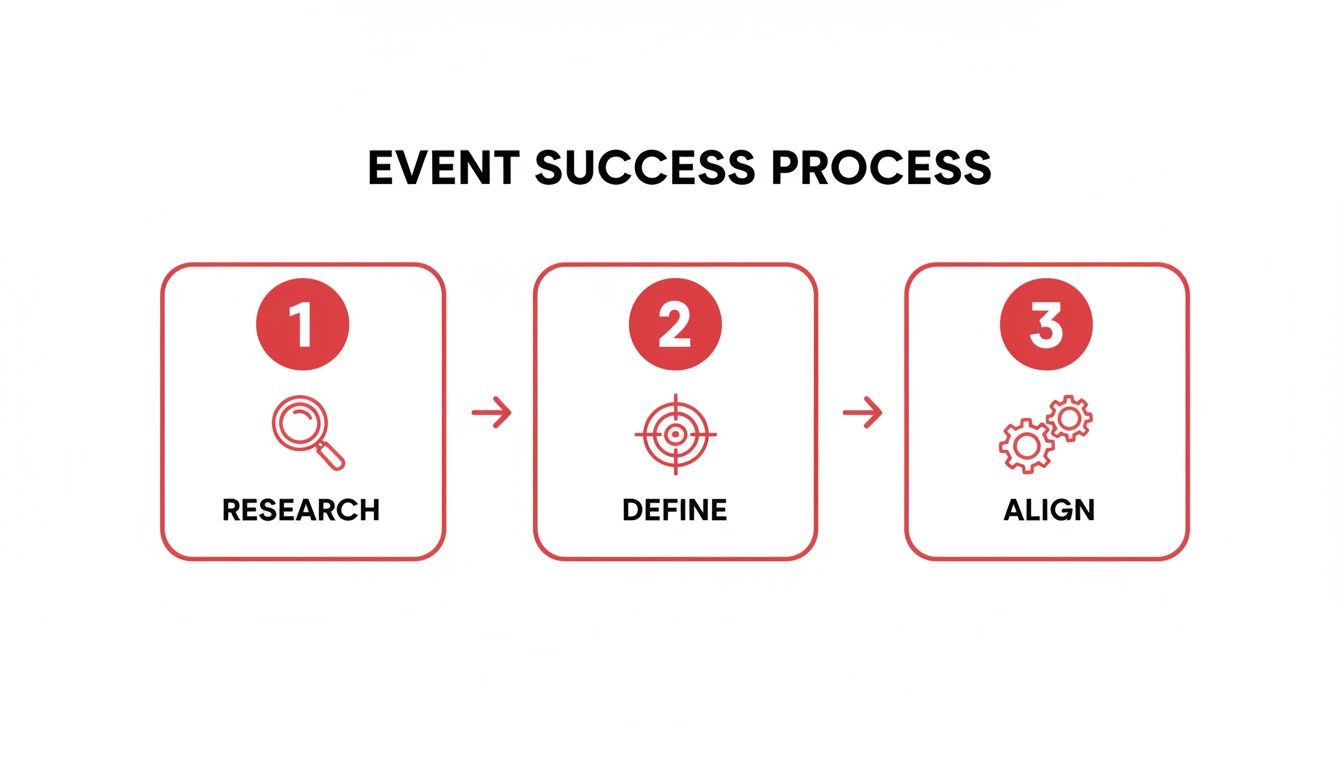
This process is critical. It forces you to get crystal clear on who you're talking to, what you want to achieve, and how your event delivers real value before you spend a dime on promotion.
Master Your Email Marketing
Even with all the new channels out there, email is still a powerhouse for event promotion. It’s your direct line. But the generic, one-size-fits-all email is dead—it’s destined for the trash folder. The real magic is in segmentation and making it personal.
Start by splitting up your email list based on how people have interacted with you before.
- Past Attendees: These are your people. Your warmest leads. Send them an exclusive "loyalty" discount and make sure to highlight what’s new and exciting this year.
- Interested but Didn't Attend: They were on the fence before. Your job now is to figure out why and give them an irresistible reason to commit, like a killer early-bird offer or a clearer value proposition.
- New Subscribers: Welcome them! Use your first few emails to build trust and show them exactly what they'll gain by being at your event.
And please, write subject lines that earn the click. "Event Registration is Open" is boring. Try something benefit-driven and specific, like, "Your Ticket to Mastering Local SEO in KC."
An email list is a relationship, not just a broadcast channel. Treat every message like a one-on-one conversation. Mentioning someone's industry or a past event they attended shows you're paying attention.
Build Momentum on Social Media
Social media is where you build your community and let the organic buzz do the heavy lifting. The goal here is to post things people genuinely want to share, turning your audience into your best marketers.
Tapping into local trends is incredibly effective. Did you know that 54% of consumers are more likely to attend events that are trending locally? And a whopping 80% will pay more for tickets to those events. Platforms like TikTok and Instagram Reels are perfect for creating short, shareable content that plugs right into that energy. If you're running hybrid events, understanding how to increase event attendance in a hybrid world is non-negotiable for reaching a wider audience.
Here are a few ideas to get you started:
- Go Behind the Scenes: Post sneak peeks of the venue setup, speaker prep sessions, or the unboxing of the swag bags. It builds real anticipation.
- Run a UGC Contest: Ask followers to share why they’re excited for the event using a unique hashtag. The prize? A VIP upgrade or a special meet-and-greet.
- Team Up with Local Influencers: Partner with a few Kansas City-based micro-influencers whose followers are your target audience. A single authentic post from them can be worth more than a dozen ads.
These kinds of organic efforts make your event feel less like a corporate function and more like an unmissable local moment.
Get Precise with Paid Ads
While organic marketing builds the community vibe, paid ads give you that targeted push to reach totally new audiences and drive sign-ups now. Platforms like LinkedIn and Facebook have ridiculously powerful targeting options that let you put your message right in front of your ideal attendee.
Imagine you're hosting a B2B tech summit at the Kansas City Convention Center. You could run a hyper-targeted LinkedIn ad aimed at people with titles like "IT Manager" or "Software Developer" who work within a 25-mile radius of downtown KC. This means every dollar is spent on someone who could actually show up. For more ways to create engaging moments, check out these creative brand activation ideas.
Your ad creative needs to stop the scroll, and the copy has to be direct. What’s the number one reason they should click "Register Now"? Say that. And don't be afraid to A/B test your images, headlines, and calls-to-action to see what truly clicks with your Kansas City audience.
Designing an Unforgettable Attendee Experience
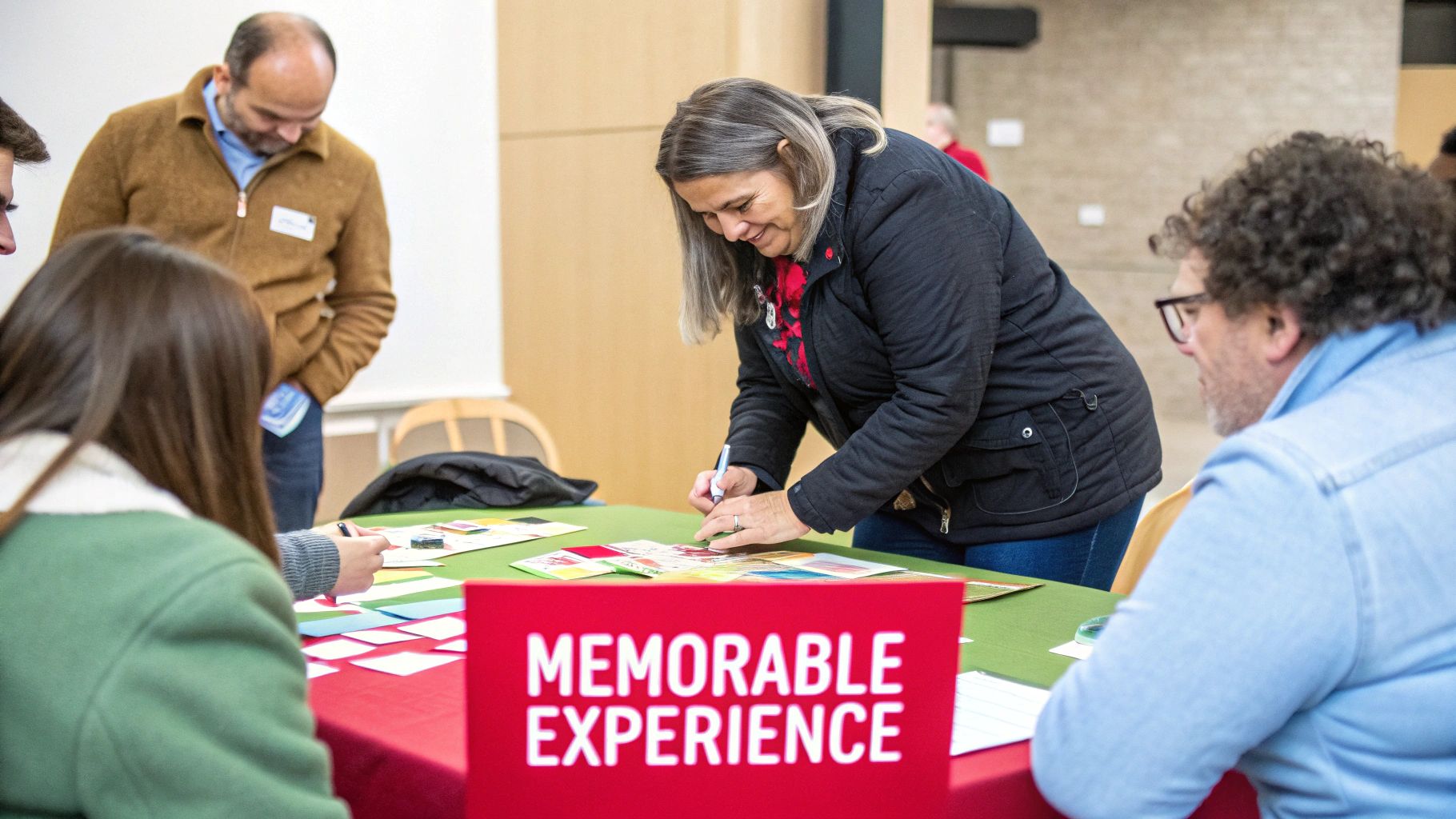
Getting people through the door is a huge win, but honestly, it's only half the battle. The real magic—and the secret to making sure next year's event is even bigger—is crafting an experience so memorable that people can't stop talking about it.
This is your chance to turn attendees into advocates. We're moving beyond just hosting an event and into the realm of creating powerful, organic word-of-mouth that does the marketing for you.
An unforgettable experience isn’t about flashy gimmicks; it’s about delivering overwhelming value. The goal is to transform passive guests into active participants who leave feeling energized, connected, and armed with new ideas.
Go Beyond Panels with Interactive Content
Let’s be real: static presentations and endless slide decks are event killers. People today crave engagement and hands-on learning. The more you can get them to participate, the more they’ll remember and value the day. It’s no surprise that 68% of attendees point to interactive elements as the key to engagement.
So, instead of another standard panel, think about formats that pull people in:
- Hands-On Workshops: Let people get their hands dirty. A coding workshop, a social media content creation lab, or a leadership simulation gives them a tangible skill they can use immediately.
- Live Demos: Don't just talk about a product or process—show it. A live, interactive demo creates a "wow" moment that a slide deck never could.
- "Ask Me Anything" (AMA) Sessions: Give your audience direct, unfiltered access to your top speakers. This format often leads to the most practical and memorable insights.
These formats work because they directly answer the "what's in it for me?" question. In fact, 70% of attendees say they prefer sessions that deliver actionable insights. You can also explore corporate event entertainment ideas that break up the day and get people energized.
To help you brainstorm, here’s a quick look at some high-impact tactics we’ve seen work wonders.
High-Impact Attendee Engagement Tactics
| Tactic | Primary Benefit | Best For |
|---|---|---|
| Live Polling & Q&A | Boosts session interactivity and provides real-time feedback. | Keynotes, large breakouts, webinars. |
| Gamification (e.g., scavenger hunts) | Encourages networking and exploration of the event space. | Conferences, trade shows, multi-day events. |
| Collaborative Breakouts | Fosters peer-to-peer learning and deeper connections. | Industry-specific summits, training events. |
| Social Media Walls | Creates a sense of community and amplifies reach. | Brand activations, festivals, user conferences. |
Choosing the right mix of these can completely change the energy of your event, turning passive listening into active participation.
Perfect the Balance Between Learning and Networking
One of the biggest mistakes I see event planners make is cramming the agenda with back-to-back sessions, leaving zero room for real human connection. So often, attendees say the most valuable part of an event was the conversation they had in the hallway or over lunch. You have to intentionally design opportunities for those connections to happen.
Think about the flow of your day. Are there dedicated, extended breaks? Is the lunch setup conducive to conversation, or is it a mad dash? These details matter more than you think.
The real ROI of an event often comes from the connections made, not just the content consumed. Your job is to be an architect of those connections. Create spaces and moments that encourage attendees to turn to each other and say, "So, what do you do?"
Weave in Hyper-Personalization
Technology now allows for a level of personalization that was impossible just a few years ago. And I'm not just talking about printing a name on a badge. Hyper-personalization is about making each attendee feel like the event was designed specifically for them.
Here are a few ways to pull this off:
- Personalized Agendas: Use registration data to suggest a custom track of sessions based on an attendee's role, industry, or stated interests.
- AI-Powered Matchmaking: Tools like Grip can connect attendees with the people they should meet, like potential clients, partners, or mentors.
- Tailored Follow-Ups: Send post-event emails that reference the specific sessions someone joined, along with relevant slide decks or resources.
The impact is huge. Events that nail hyper-personalization report 96% higher sales originating from those efforts. It's a powerful way to show attendees you see them as individuals, not just numbers. This focused approach also helps solve a key challenge for 21% of event pros—getting the right people in the room in the first place.
When you focus on an active, engaging, and personalized experience, you don't just increase attendance for this year—you build a loyal community that will be first in line for the next one.
Make Signing Up a No-Brainer
You’ve done the hard work. You’ve built the hype, your emails are getting opened, and people are flooding your event page. But there's one final hurdle that can make or break your attendance numbers: the registration form.
This is where the magic happens… or where it all falls apart. A clunky, confusing, or long-winded signup process is the quickest way to watch a motivated prospect turn into a lost lead. Think of it like the checkout line at a grocery store—if it’s a hassle, people will abandon their cart and walk right out.
Create a Registration Experience That’s Effortless
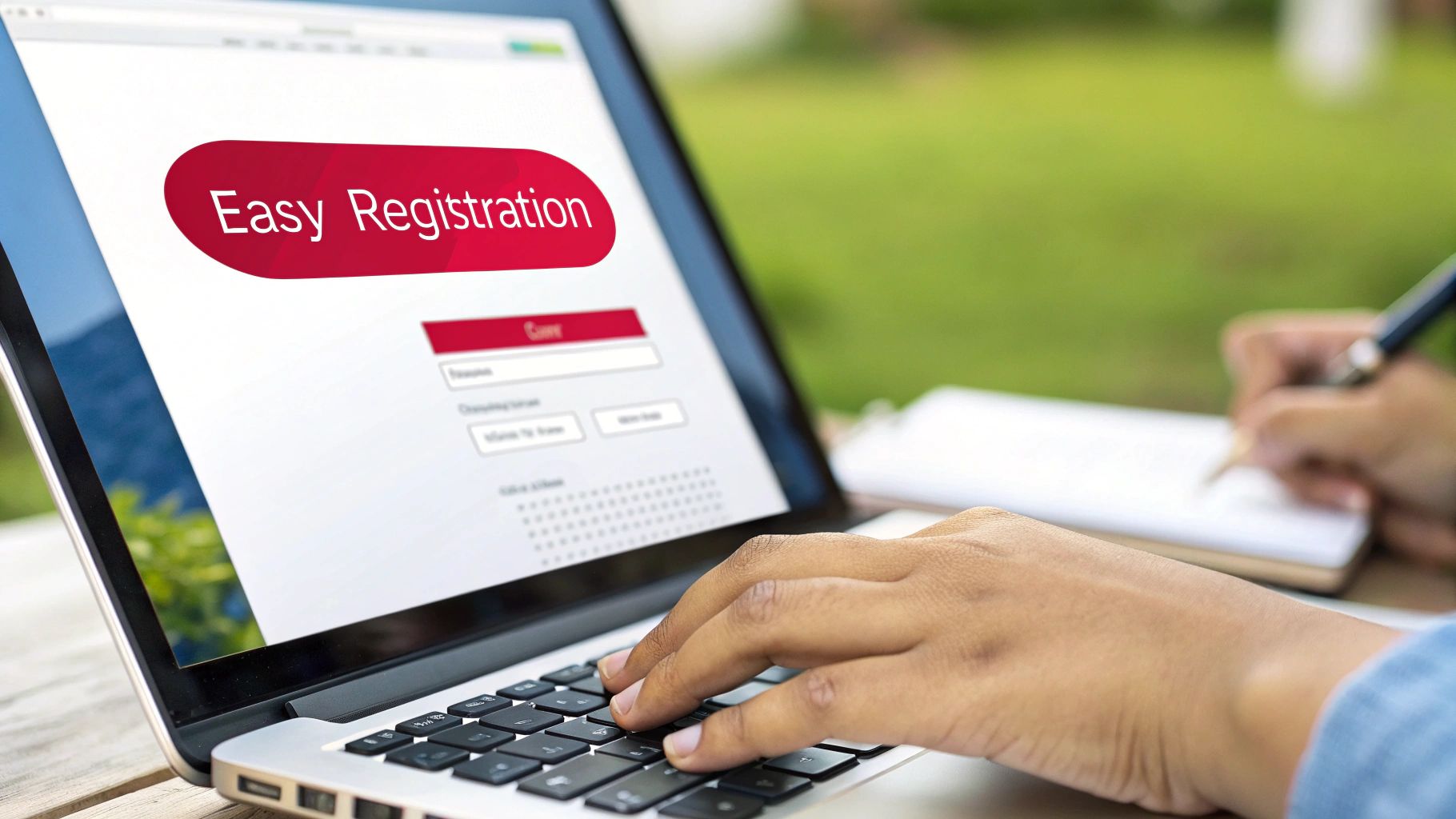
Your goal is to make saying "yes" ridiculously easy. Every single field they have to fill out, every click they have to make, is another chance for them to second-guess their decision.
First things first, get ruthless with your form fields. Do you really need their job title, company size, and favorite breakfast cereal right now? Probably not. Stick to the absolute must-haves: name and email. You can always circle back with a post-registration survey to get more details.
Next, make sure your page works flawlessly on a phone. So many people will sign up on the go. If they’re pinching, zooming, and fighting with tiny buttons, they’re gone. It’s also worth looking into modern tools like QR code event registration systems to make in-person signups and mobile access even smoother.
Your registration form isn't just a data-entry tool. It's the final, crucial step in your marketing. It needs to feel fast, easy, and reinforce that this event is worth their time—not become a frustrating roadblock.
Get Smart with Your Pricing and Incentives
Pricing isn’t just about the number on the ticket. It’s a powerful tool that creates urgency, shows value, and pushes people to act now. A smart pricing strategy can be your single best lever for driving early signups and building a solid attendance base well before the event day.
The early-bird discount is non-negotiable. It’s a classic for a reason. It rewards the people who are ready to commit and gives everyone else a firm deadline to work against. This tactic is pure gold for generating early momentum and cash flow. Try creating a "Super Early Bird" discount that ends three months out, then a regular "Early Bird" that closes a month before the event. You’ve just created two powerful waves of urgency.
Beyond that, tiered ticketing lets you cater to different audiences and budgets.
- General Admission: The core experience, no frills.
- VIP Package: This is where you can add real value and exclusivity. Think front-row seats, a private meet-and-greet with a speaker, or a special networking lunch. It’s an easy way to boost your average ticket revenue.
- Group Discounts: Make it a no-brainer for local KC companies to send their teams. An offer like "buy four, get one free" can multiply your attendance with a single sale.
Don’t just list the prices—sell the value. On your registration page, clearly break down what each ticket tier includes. What makes the VIP package worth the extra cost? Why is the group discount such a great deal? When you clearly spell out the benefits, you make the decision to buy that much easier.
Using Partnerships to Amplify Your Reach
Why try to build an audience from scratch when you don't have to? Tapping into existing communities through strategic partnerships is one of the smartest ways to fill your event seats. You're essentially borrowing trust and getting in front of people who would otherwise take you months, or even years, to reach on your own.
The trick is to think beyond a simple logo swap on a flyer. We're talking about creating genuine, win-win collaborations. When your partners are truly excited to promote your event because it brings real value to their people, the results are incredible.
Identifying Your Ideal Partners
First things first, grab a whiteboard and brainstorm organizations that share your target audience but aren't direct competitors. Ask yourself: who do my ideal attendees already know, like, and trust?
Let's say you're planning a corporate wellness summit here in Kansas City. Your partner list might look something like this:
- Industry Associations: The local SHRM chapter is a no-brainer.
- Complementary Businesses: Think about area gyms, corporate caterers, or mental health service providers who are already talking to the people you want to reach.
- Local Media: Publications like the Kansas City Business Journal or even local lifestyle bloggers could be a great fit.
- Corporate Sponsors: What are the big local employers who want to show they care about employee well-being? They're perfect.
The whole point is to find collaborators whose endorsement feels authentic and genuinely useful to their followers.
A great partnership is a value exchange, not a transaction. Before you even think about asking for a promotion, have a solid answer to the question, "What's in it for them?" Offering a cut of ticket sales, co-branding opportunities, or exclusive content for their members can turn a cold email into a fantastic collaboration.
Building a Thriving Pre-Event Community
Beyond those formal partnerships, don't underestimate the power of grassroots community building. Your goal is to make your event feel like the can't-miss gathering for a specific tribe of people. That sense of belonging is a massive motivator for attendance.
For instance, you could spin up a private LinkedIn or Facebook group just for registered attendees and those on the fence. Use that space to drop sneak peeks of the venue, run polls about which session topics people are most excited for, and let people start networking early. Suddenly, your event isn't just a one-day thing; it's an ongoing experience.
This community-first mindset is becoming absolutely essential. The latest data shows that eight in 10 organizers see community growth as a top-tier event goal. It's all part of a bigger shift where attendees are looking for more than just a keynote speaker—they want real connection. You can dig into more of the latest event industry statistics and insights to see where things are headed.
When you build this kind of pre-event buzz, you create a built-in network of advocates. People who feel like they're part of an insider group are way more likely to drag their friends and colleagues along, turning your attendees into your most powerful promotional channel.
Measuring Success to Improve Future Events
When the lights dim and the last guest heads home, your most crucial work is just getting started. The data you pull together right after an event is the secret sauce for making sure your next one is not just a repeat, but a significant step up.
Moving past a simple headcount is absolutely essential if you want sustainable growth.
True success isn't just about how many people showed up. It’s about who showed up, what it cost to get them there, and if they walked away feeling it was time well spent. This is where you transform raw numbers into a strategic playbook for your next event.
Defining Your Key Performance Indicators
To get the full story of your event's performance, you need to track a handful of key performance indicators (KPIs). These metrics give you a clear, objective look at what fired on all cylinders and what needs a rethink.
A few essential KPIs to keep an eye on include:
- Cost Per Acquisition (CPA): This is the bottom line for your marketing spend. Simply divide your total marketing budget by the number of registered attendees. This tells you exactly how much you paid to get each person in the door (or on the screen).
- Attendee Satisfaction Score (CSAT/NPS): Use a quick post-event survey and ask attendees how likely they are to recommend your event on a scale of 1-10. This Net Promoter Score (NPS) is a gold-standard indicator of your word-of-mouth potential.
- Social Media Engagement: Look at metrics like hashtag usage, mentions, and shares both during and immediately after the event. A spike in engagement means you created a buzzworthy experience people were genuinely excited to talk about.
These numbers add the context that a simple attendance figure completely misses, helping you understand the real return on your investment.
Your post-event analysis is more than a report card—it's a roadmap. It tells you which marketing channels to double down on next year and which ones to abandon, ensuring every event cycle gets smarter and more efficient.
Running a Productive Post-Mortem Analysis
Once you've got your data, pull your team together for a post-mortem. The goal here isn't to point fingers; it's to find clear opportunities for improvement.
To keep the discussion focused and actionable, frame it around three simple but powerful questions.
- What went right? Seriously, celebrate the wins. Did that last-chance email campaign drive a huge wave of signups? Was the live Q&A session a massive hit? Acknowledge what worked.
- What went wrong? Get honest and specific. Was the registration process clunky and confusing? Did a key breakout session have surprisingly low attendance?
- What will we do differently next time? This is the most important part. Turn your observations into concrete action items. For instance, "Next time, we will slash our registration form to only three essential fields to reduce drop-off."
This process turns every event—no matter its size or initial success—into a powerful learning opportunity that directly fuels your efforts on how to increase event attendance for every future gathering.
Got Questions? We’ve Got Answers.
Even the most seasoned event planners run into tricky situations. When you're deep in the trenches of boosting attendance, a few common questions always seem to surface. Let's tackle them head-on.
How Do I Convince People My Higher Ticket Price Is Worth It?
This is all about shifting the conversation from cost to value. Don't just list what's included; paint a picture of the tangible results and exclusive experiences they'll get.
You have to break it down for them. Show them the real-world value of the training they’ll receive, the connections they’ll make, and the insights they won’t find anywhere else. I love using testimonials from past attendees who can point to a specific deal they closed or a promotion they got because of something they learned at the event. When you frame it as an investment in their career or business, the price tag suddenly makes a lot more sense.
What's the Best Playbook for Dealing with Last-Minute No-Shows?
You'll never get rid of no-shows completely, but you can absolutely bring that number way down with smart, consistent communication. The key is to keep the energy and excitement building right up until the doors open.
A few things that have always worked for me:
- The "Know Before You Go" Email: Send this out a couple of days prior with final details like parking, the schedule, and maybe a little teaser about a surprise guest or a special session.
- Spark Pre-Event Connections: A simple LinkedIn group or a dedicated Slack channel can get people talking beforehand. Once attendees feel connected to others, they're far more committed to showing up.
- A Well-Timed Text Reminder: A quick SMS the day before is a simple, effective nudge that keeps your event top-of-mind.
Here’s something to remember: a registration is just a qualified lead. They aren't an attendee until they're physically in the room. Your job is to nurture that lead from the second they buy their ticket until the moment it gets scanned.
How Can I Actually Prove My Event's ROI to My Boss?
Forget vanity metrics. Your boss doesn't just want to see a final headcount; they want to see how the event impacted the bottom line. You have to connect your event to real business objectives.
Start tracking things like your cost per acquisition for each attendee. How many qualified leads did your sales team get from networking? What was your post-event Net Promoter Score (NPS)?
Package all that data into a clean, simple report. Show them the direct line between the event and its impact on sales, brand loyalty, or community growth. That's the language stakeholders understand.
Planning an event that people talk about for years takes more than a great concept—it requires flawless execution. From perfectly clear audio to visuals that stop people in their tracks, the team at Showboss KC delivers the professional production and entertainment that turns your vision into a can't-miss experience. Let's make something incredible together.