

Planning a wedding reception is like conducting an orchestra; every element must be timed perfectly to create a beautiful, harmonious experience. A well-structured timeline is the invisible thread that ties together your cocktail hour, dinner, toasts, and dancing into a seamless celebration. Without it, you risk awkward lulls, rushed moments, and vendor confusion, turning a dream day into a stressful sequence of events. The right schedule ensures your photographer captures every key moment, your caterer serves meals at the perfect temperature, and your guests are always engaged and entertained.
This guide provides six distinct sample timeline for wedding reception formats, each designed for a different style of celebration. We will break down the strategic timing, provide actionable insights, and reveal the behind-the-scenes details that ensure your reception flows flawlessly from the grand entrance to the final send-off. Whether you're planning a traditional formal affair, a modern brunch, or an extended late-night party, these templates will empower you to build a schedule that lets you and your guests relax and enjoy every single moment.
These reception-specific schedules are a critical component of your overall event plan. To further aid in structuring your entire event, exploring various wedding day timeline template resources can offer valuable insights and options for mapping out everything from hair and makeup to your ceremony start time. By meticulously planning the flow, you create an atmosphere where joy, not logistics, takes center stage. Let's dive into the detailed examples that will help you craft the perfect rhythm for your unforgettable day.
1. Traditional Formal Wedding reception Timeline
The traditional formal wedding reception timeline is the quintessential blueprint for a classic, structured celebration. This 5- to 6-hour format follows a time-honored sequence of events, creating an elegant and seamless experience for guests. It’s ideal for larger weddings (150+ guests) held in formal settings like hotel ballrooms, historic estates, or country clubs, where a clear flow and sophisticated atmosphere are paramount.
This timeline prioritizes guest comfort and established etiquette, moving gracefully from cocktails to dinner, toasts, and dancing. Its linear, predictable structure ensures all key moments are highlighted without feeling rushed or disorganized.
Sample Timeline Breakdown (5-Hour Reception)
Here is a classic sample timeline for a wedding reception that follows the formal model:
-
5:00 PM – 6:00 PM: Cocktail Hour
- Guests arrive, find their seats, and enjoy appetizers and drinks. The couple often uses this time for post-ceremony photos.
- Vendor Cue: Background music begins. Bar and catering staff serve guests.
-
6:00 PM – 6:15 PM: Grand Entrance & First Dance
- The DJ or MC announces the wedding party, followed by the newlyweds.
- The couple proceeds directly to the dance floor for their first dance, capturing everyone's full attention.
-
6:15 PM – 7:15 PM: Dinner Service
- Guests are seated. A welcome speech or blessing may occur.
- Salad course is served, followed by the main course. Plated dinners are common in this format.
-
7:15 PM – 7:45 PM: Toasts & Speeches
- Key family members and the wedding party give their speeches.
- Vendor Cue: The DJ provides a wireless microphone. The photographer and videographer position themselves to capture reactions.
-
7:45 PM – 8:00 PM: Special Dances
- Father-Daughter and Mother-Son dances take place, officially opening the dance floor to all guests.
-
8:00 PM – 8:15 PM: Cake Cutting
- A symbolic moment that also signals to vendors that dessert service can begin.
-
8:15 PM – 9:45 PM: Open Dancing
- The band or DJ plays upbeat music to get the party going.
-
9:45 PM – 10:00 PM: Bouquet/Garter Toss & Grand Exit
- These final activities gather guests together one last time before the couple’s send-off.
Strategic Analysis & Actionable Takeaways
This timeline’s strength lies in its predictability and elegance. It establishes a clear, well-paced flow that manages guest expectations and allows vendors to operate with precision.
Key Strategy: The "event stacking" at the beginning (Grand Entrance into First Dance) is a powerful way to command attention and efficiently tick off a major highlight before dinner service distracts guests.
Actionable Tips for Implementation:
- Assign a Point Person: A day-of coordinator is non-negotiable for this format. They are the "director" who keeps the schedule on track, cues vendors, and handles any delays behind the scenes.
- Buffer Everything: Build 10-15 minute buffers around key transitions, such as moving guests from the cocktail area to the dining room or gathering people for toasts.
- Communicate with Your DJ: Your DJ or MC is your timeline’s narrator. Work with a professional service like Showboss KC to ensure announcements are clear, timely, and executed with the right energy to guide guests from one event to the next without lulls. A skilled MC is crucial for maintaining momentum.
2. Modern Brunch Wedding Reception Timeline
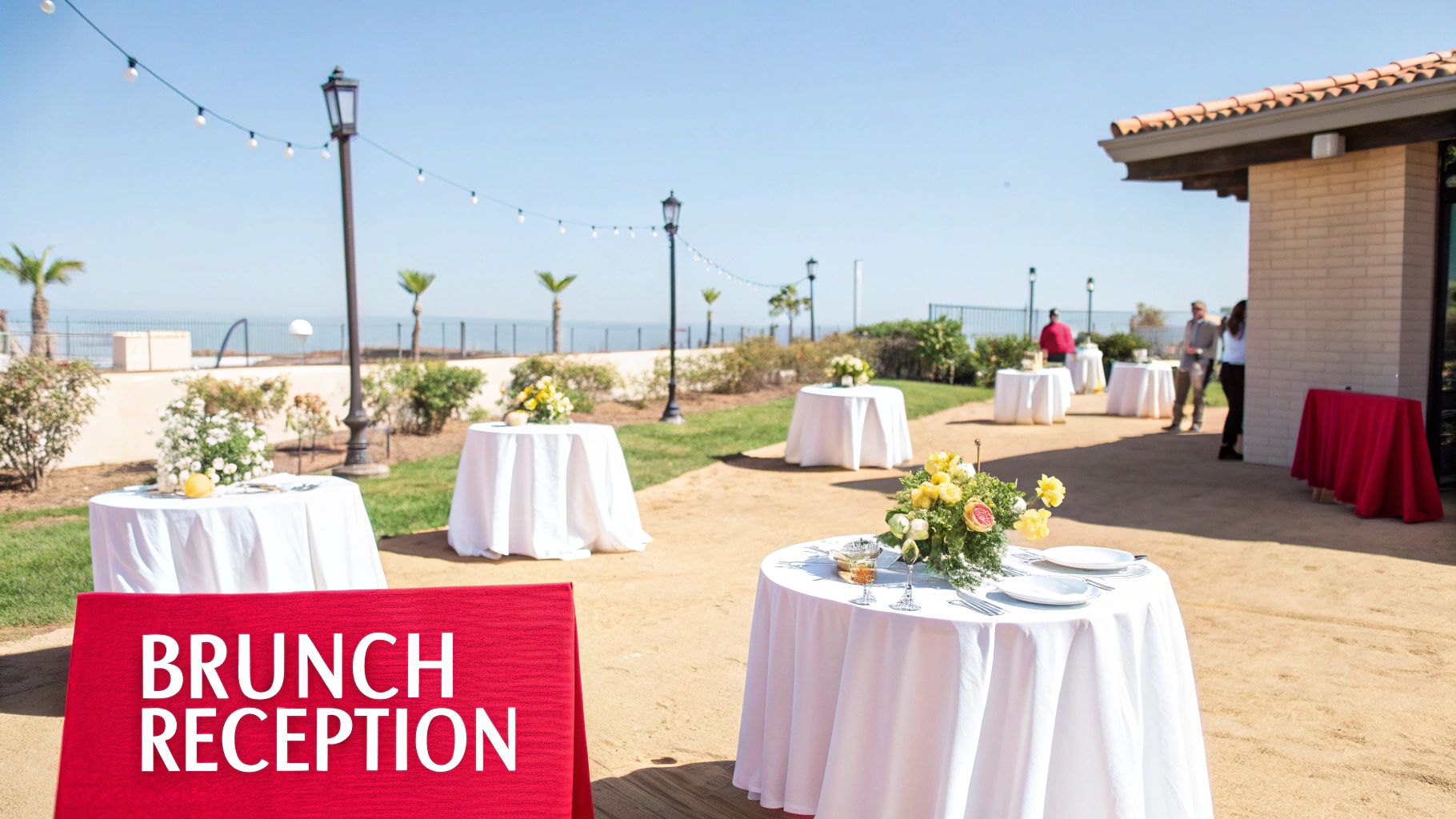
The modern brunch wedding reception timeline offers a fresh, laid-back alternative to traditional evening affairs. This contemporary format, typically running 3-4 hours between late morning and early afternoon (e.g., 11 AM – 2 PM), swaps formal dinners for mimosas, natural light, and a relaxed, celebratory atmosphere. It's a perfect fit for couples seeking a more casual, budget-friendly, or unique daytime event at venues like botanical gardens, sunlit lofts, or vineyards.
This timeline prioritizes a social and bright experience, leveraging daylight for stunning photos and encouraging guest mingling. Its shorter duration and lighter fare create a vibrant, high-energy celebration that feels both sophisticated and wonderfully unstuffy.
Sample Timeline Breakdown (3-Hour Reception)
Here is a popular sample timeline for a wedding reception that follows the modern brunch model:
-
11:00 AM – 11:45 AM: Welcome & Social Hour
- Guests arrive from a mid-morning ceremony. They are greeted with a mimosa/bellini bar, fresh juices, and specialty coffee. Light passed hors d'oeuvres are served.
- Vendor Cue: A curated, upbeat but relaxed playlist (e.g., indie pop, soul) begins. The couple mingles with guests immediately.
-
11:45 AM – 12:00 PM: Welcome Toast & Brunch Service Begins
- The couple or a parent gives a brief welcome toast to thank everyone for coming.
- The DJ or MC announces that brunch stations or the buffet is open.
-
12:00 PM – 1:00 PM: Brunch & Mingling
- Guests enjoy the food. The atmosphere remains social and fluid, with guests moving around more freely than at a formal seated dinner.
- The couple makes their way around to tables to chat with guests.
-
1:00 PM – 1:15 PM: Toasts
- The Maid of Honor and Best Man give their speeches as guests are finishing their meals. Keeping speeches concise is key in this shorter format.
-
1:15 PM – 1:30 PM: First Dance & Cake Cutting
- The first dance takes place, followed immediately by the cake cutting. This pairing keeps the momentum going and signals the final phase of the reception.
-
1:30 PM – 2:00 PM: Open Dancing & Lawn Games
- The dance floor opens for a short, high-energy set. For outdoor venues, this is also a prime time for lawn games like croquet or cornhole.
-
2:00 PM: Grand Exit
- The reception concludes with a cheerful send-off, such as a bubble or ribbon wand exit, leaving guests the rest of the afternoon to enjoy.
Strategic Analysis & Actionable Takeaways
This timeline's strength is its efficient, light-hearted structure that maximizes social interaction in a shorter timeframe. The daytime setting creates a completely different energy-bright, airy, and relaxed.
Key Strategy: Combining the welcome and cocktail hour allows the couple to immediately engage with guests, setting a warm, personal tone from the start. This removes the formal barrier of a grand entrance and makes the celebration feel more intimate.
Actionable Tips for Implementation:
- Plan Your Menu Wisely: Focus on interactive food stations like a waffle bar, omelet station, or build-your-own avocado toast bar. This encourages movement and conversation.
- Embrace Non-Traditional Entertainment: While a dance floor is great, lawn games or a live acoustic musician can be a better fit for the brunch vibe. This provides entertainment without demanding the high-energy commitment of a 3-hour dance party.
- Master the Music Vibe: The soundtrack is crucial for a brunch reception. Work with a DJ from Showboss KC to create a playlist that evolves from mellow morning coffeehouse tunes during the social hour to more upbeat, danceable tracks post-cake cutting. The right music is essential for defining the relaxed-yet-celebratory mood.
3. Cocktail Reception (No Sit-Down Dinner) Timeline
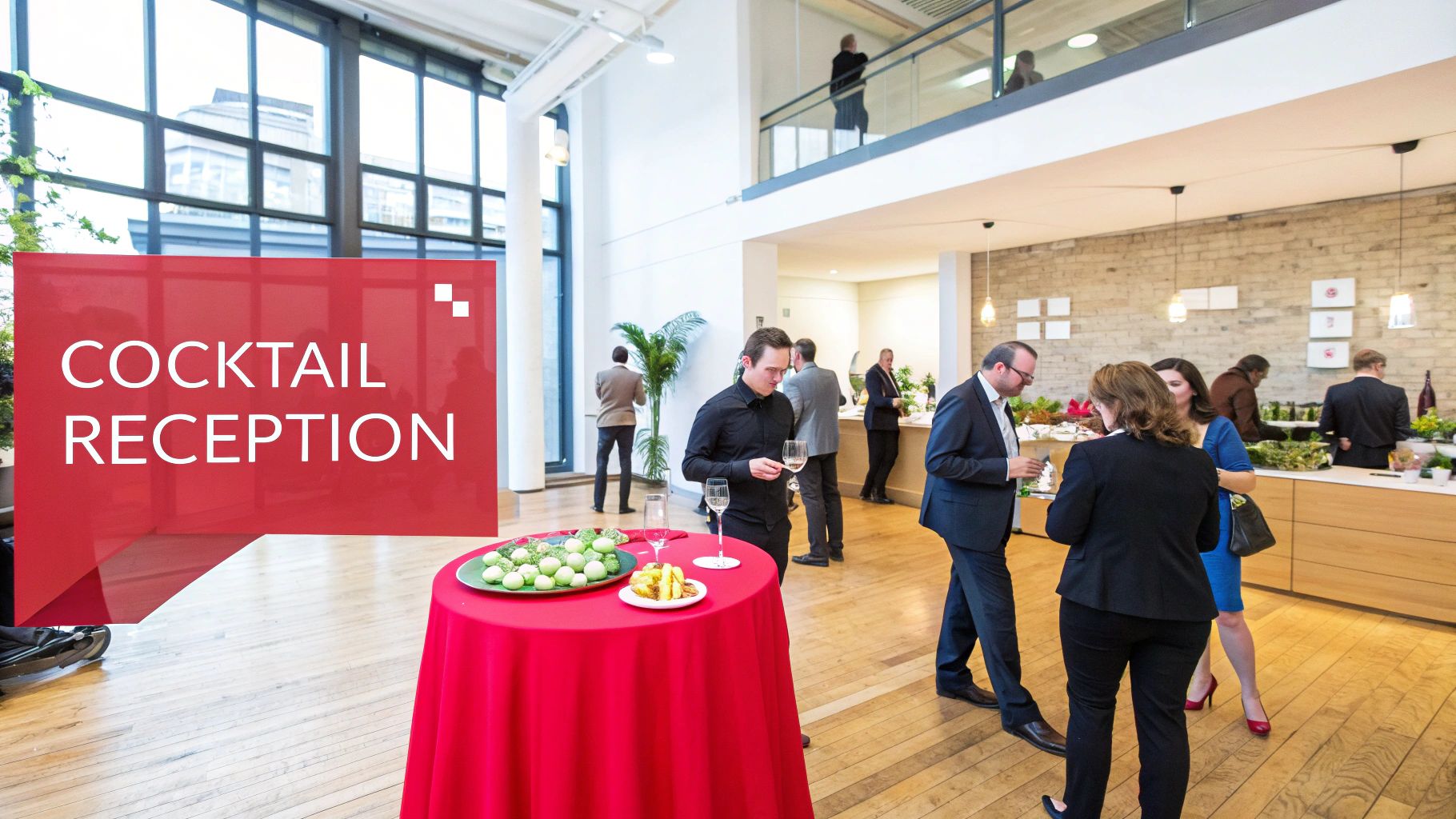
The cocktail reception timeline breaks from tradition by eliminating the formal seated dinner, creating a fluid, high-energy event focused on mingling and grazing. This 3- to 4-hour format is perfect for modern couples who want a less structured, more social atmosphere. It’s exceptionally well-suited for non-traditional venues like art galleries, urban lofts, or breweries where a continuous flow of conversation and movement is more natural than assigned seating.
This timeline prioritizes guest interaction over formalities, allowing everyone to mix and mingle freely while enjoying a steady stream of heavy appetizers or food stations. Its flexibility makes it a dynamic and often more budget-conscious alternative to a plated meal, encouraging a lively, party-centric vibe from start to finish.
Sample Timeline Breakdown (3-Hour Reception)
Here is a popular sample timeline for a wedding reception that follows the cocktail-style model:
-
6:00 PM – 6:45 PM: Guest Arrival & Open Mingle
- Guests arrive and are immediately welcomed into the party. The bar is open, and passed appetizers begin circulating.
- Vendor Cue: The DJ plays upbeat, ambient music to set a sophisticated but relaxed mood. Catering staff is active from the first minute.
-
6:45 PM – 7:00 PM: Couple's Welcome & First Dance
- The DJ or MC gathers guests’ attention for a brief welcome speech from the couple.
- The couple then transitions into their first dance in a central, visible location, keeping the energy focused.
-
7:00 PM – 8:00 PM: Food Stations Open & Continued Mingling
- Heavier food stations open, encouraging guests to move around the space and sample different cuisines.
- Special parent dances can be integrated here, keeping the atmosphere celebratory.
-
8:00 PM – 8:15 PM: Toasts
- Toasts are kept short and sweet to avoid halting the party's momentum for too long.
- Vendor Cue: The DJ ensures the speakers have a microphone and finds a natural pause in the music to make announcements.
-
8:15 PM – 8:30 PM: Cake Cutting & Dessert Bar Opening
- The cake cutting is a quick, symbolic moment that signals the opening of a dessert station or the passing of sweet bites.
-
8:30 PM – 9:00 PM: Open Dancing & Final Mingling
- The music tempo increases, and the focus shifts entirely to the dance floor for the final portion of the evening.
Strategic Analysis & Actionable Takeaways
This timeline’s strength is its inherent flexibility and social nature. It eliminates the "lull" that can occur during a long, seated dinner, maintaining a consistent energy level throughout the event.
Key Strategy: The flow is managed through "culinary cues" rather than formal announcements. Opening a new food station or bringing out a different type of appetizer naturally draws guests to different areas and encourages movement.
Actionable Tips for Implementation:
- Design for Flow: Strategically place the bar, food stations, and lounge seating to prevent bottlenecks. Create distinct zones for dancing, conversation, and eating to make the space feel dynamic.
- Set Expectations: Clearly state "Cocktail Reception to Follow" on your invitations. This manages guest expectations regarding the meal and encourages them to eat as food is presented.
- Hire the Right DJ: In a cocktail reception, the DJ is not just playing music; they are the event's pulse. They must be experts at reading a crowd and adjusting the energy. Choosing a professional DJ service is critical for a smooth transition from ambient background music to a full-on dance party. Learn more about how to find a DJ who can master this flow on showbosskc.com.
4. Intimate Dinner Party Wedding Reception Timeline
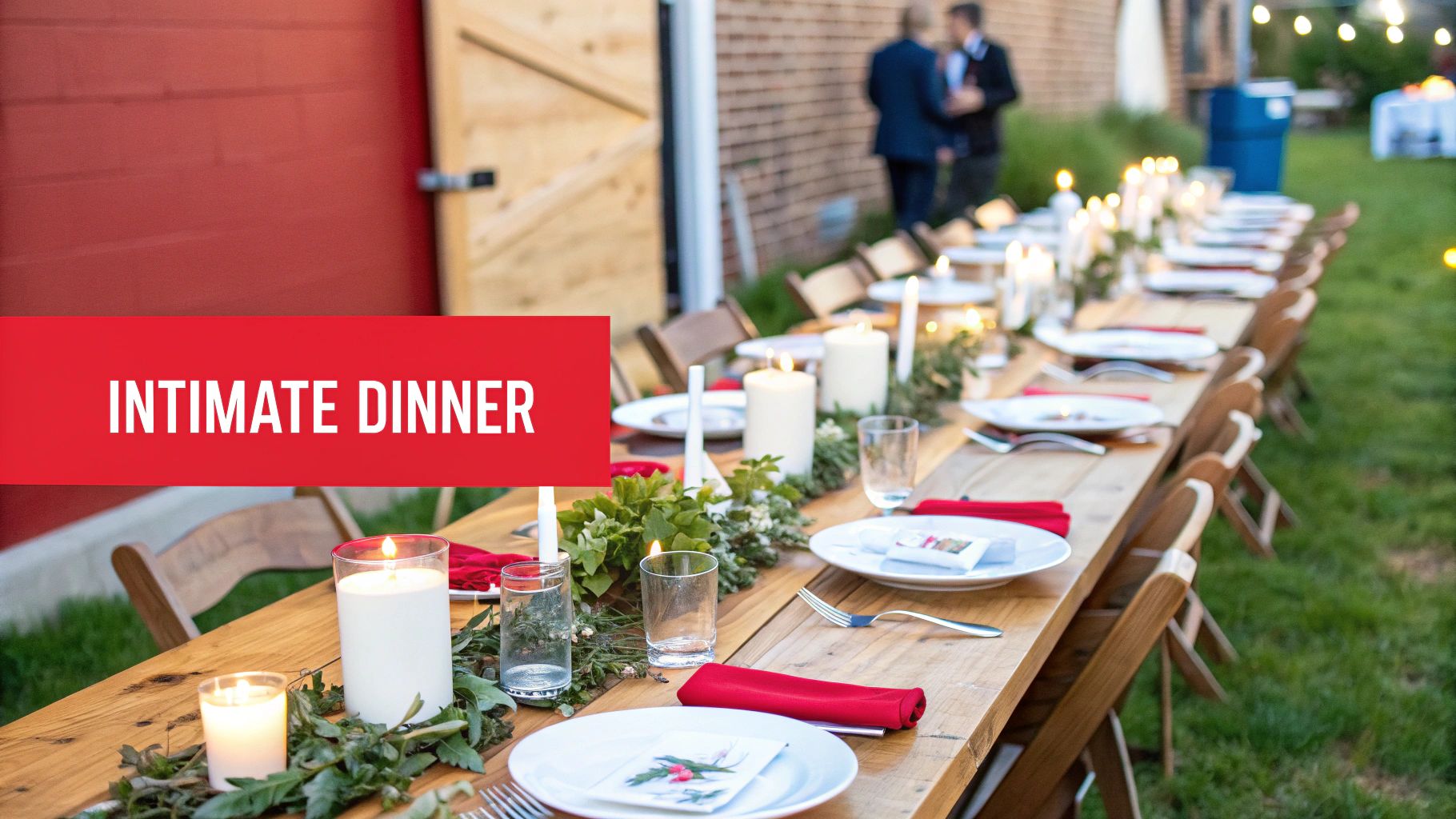
The intimate dinner party timeline is a highly personalized, conversation-centric format perfect for smaller guest counts (typically under 75). This 3- to 4-hour reception shifts the focus from a high-energy dance party to a gourmet culinary experience and meaningful interaction. It is ideal for couples who value deep connection and want to spend quality time with every guest, often held in unique venues like a restaurant's private dining room, a vineyard, or a beautifully decorated backyard.
This timeline is less about a rigid sequence of events and more about creating a warm, relaxed, and sophisticated atmosphere. It prioritizes an extended, multi-course meal, heartfelt toasts, and the ambient joy of close friends and family celebrating together. The flow is deliberately slower, allowing moments to breathe and conversations to flourish.
Sample Timeline Breakdown (3.5-Hour Reception)
Here is a wonderful sample timeline for a wedding reception that follows the intimate dinner party model:
-
6:00 PM – 6:45 PM: Welcome Cocktails & Mingle
- Guests arrive and are greeted personally by the couple. Light appetizers and a signature cocktail are served.
- Vendor Cue: A soft, curated playlist (e.g., jazz or acoustic) begins. Photographer captures candid guest interactions.
-
6:45 PM – 7:00 PM: Seating & Welcome Toast
- Guests are invited to find their seats at a beautifully set, often communal-style, table.
- The couple or a parent gives a brief welcome toast to thank everyone for coming and officially kick off the meal.
-
7:00 PM – 8:30 PM: Multi-Course Dinner Service
- The main event begins. Courses are served at a relaxed pace, with about 30-45 minutes dedicated to each.
- Toasts are strategically interspersed between courses (e.g., Best Man after the first course, Maid of Honor before dessert) to keep guests engaged.
-
8:30 PM – 8:45 PM: Cake Cutting & Dessert
- The couple cuts the cake, which is then served along with coffee and dessert. This is a simple, sweet moment.
-
8:45 PM – 9:15 PM: First Dance & Mingling
- If desired, the couple shares a first dance in an open space. The music remains at a conversational level.
- This time is for the couple to move around the table, chat with guests, and share personal moments.
-
9:15 PM – 9:30 PM: Final Thanks & Favors
- The couple gives a final toast, thanking their guests.
- Guests depart with a personalized favor.
Strategic Analysis & Actionable Takeaways
This timeline’s strength is its profound intimacy and personalization. By removing the pressure of a large-scale party, it allows the couple to be truly present and create lasting memories with their closest circle.
Key Strategy: Spacing toasts between courses is a brilliant tactic. It prevents "toast fatigue" and transforms each speech into a distinct, memorable part of the dining experience, rather than a single, long block of talking.
Actionable Tips for Implementation:
- Curate the Seating Chart: With a small group, the seating chart is your most powerful tool. Strategically place guests next to people they'll connect with to spark lively and meaningful conversations throughout the evening.
- Invest in Atmosphere: Since the table is the centerpiece, allocate budget toward high-quality linens, floral arrangements, place cards, and ambient lighting. These details significantly elevate the guest experience.
- Plan the Audio Experience: The right sound is critical. Work with a professional production company like Showboss KC to ensure your custom playlist is played through high-quality, discreet speakers. They can also provide a wireless microphone for crystal-clear toasts that everyone can hear without shouting.
5. Extended Evening Reception (Late Night Party) Timeline
The extended evening reception is designed for couples who envision their celebration transforming from an elegant dinner into a high-energy, late-night party. This 6- to 8-hour format, typically running until midnight or later, is perfect for music lovers, younger crowds, or anyone who wants the celebration to be the main event. It thrives in venues like urban lofts, converted warehouses, or modern event spaces that can accommodate a dynamic, evolving atmosphere.
This timeline intentionally creates distinct phases, moving guests from a sophisticated dinner to an all-out dance party. It builds energy progressively, ensuring that traditional moments are honored early on before the vibe shifts to a more relaxed, nightclub-style experience. This structure is ideal for keeping guests engaged for a longer duration and creating a truly memorable, high-octane celebration.
Sample Timeline Breakdown (7-Hour Reception)
Here is a sample timeline for a wedding reception that follows the extended party model:
-
6:00 PM – 7:00 PM: Cocktail Hour
- Guests arrive and enjoy sophisticated cocktails and elaborate appetizers. The music is typically upbeat lounge or deep house to set a cool, modern tone.
- Vendor Cue: Bar staff showcases craft cocktails. The DJ establishes the initial upscale vibe.
-
7:00 PM – 7:15 PM: Grand Entrance & Welcome
- The DJ or MC hypes up the crowd for a high-energy entrance. The couple makes their entrance and gives a brief welcome speech, thanking guests for coming.
-
7:15 PM – 8:30 PM: Dinner & Toasts
- Dinner service begins, often featuring food stations or a plated meal. Key toasts (Best Man, Maid of Honor, Parents) are strategically held between courses to maintain momentum.
-
8:30 PM – 8:45 PM: First Dance & Special Dances
- The first dance and parent dances take place, serving as a beautiful and formal transition from dinner to the party portion of the evening.
-
8:45 PM – 9:00 PM: Cake Cutting & Dessert Bar Opening
- The cake is cut, signaling the opening of a dessert bar or late-night coffee station to fuel guests for the dancing ahead.
-
9:00 PM – 11:00 PM: Open Dancing – Phase One
- The DJ or band kicks into high gear with a mix of popular hits and wedding classics. Professional lighting transforms the room into a vibrant dance club.
- Vendor Cue: Lighting technician initiates dynamic lighting sequences. The DJ reads the crowd and builds the energy.
-
11:00 PM – 11:15 PM: Late-Night Snack Surprise
- Caterers bring out a surprise late-night snack like sliders, tacos, or pizza. This re-energizes guests and provides a much-needed break from dancing.
-
11:15 PM – 1:00 AM: Open Dancing – Phase Two (After-Party Vibe)
- The music shifts to more club-focused or genre-specific tracks (e.g., EDM, 90s hip-hop). This is where the true "party" atmosphere peaks before a final last dance and send-off.
Strategic Analysis & Actionable Takeaways
This timeline’s strength is its planned endurance and energy management. By breaking the evening into distinct segments, it prevents guest fatigue and keeps the excitement level high for an extended period.
Key Strategy: The "energy reset" with the late-night snack is a critical pivot point. It breaks up the long dance set, provides a second wind for guests, and signals the transition into the final, most energetic phase of the night.
Actionable Tips for Implementation:
- Hire an Endurance-Focused Coordinator: A 7+ hour event requires a day-of coordinator who is experienced in managing long, complex timelines and vendor schedules. They are essential for smooth transitions.
- Invest in Atmosphere Shifting Production: Use lighting and sound to define each phase. Work with a production company like Showboss KC to design a lighting plan that can shift from warm dinner ambiance to a dynamic, concert-style light show for the late-night party. Explore some creative wedding reception entertainment ideas to elevate the experience further.
- Create Designated Zones: Designate a quieter "lounge" area away from the dance floor. This gives guests who don't want to dance a comfortable space to socialize, ensuring everyone enjoys the entire evening.
6. Two-Day Wedding Reception Timeline (Wedding Weekend Format)
The two-day or "wedding weekend" format transforms a single evening of celebration into an immersive, multi-day experience. This extended timeline is perfect for destination weddings, cultural celebrations like multi-day Indian or Jewish weddings, or for couples who want to maximize quality time with guests traveling from afar. Instead of a few rushed hours, you create a mini-vacation centered around your union.
This approach is best suited for couples hosting guests at a single location, like a resort, ranch, or estate, where events can flow seamlessly from one to the next. The format typically includes a welcome reception, the main ceremony and reception, and a farewell brunch, creating a comprehensive and memorable guest experience.
Sample Timeline Breakdown (Weekend Format)
Here is a popular sample timeline for a wedding reception built into a weekend-long event:
Friday: The Welcome Event
- 4:00 PM – 6:00 PM: Guest Check-in & Welcome Gifts
- Guests arrive and receive a welcome bag with the weekend’s itinerary, local treats, and helpful info.
- 7:00 PM – 9:30 PM: Welcome Dinner or Cocktail Party
- A relaxed, informal gathering (e.g., a rehearsal dinner, Sangeet, or welcome BBQ) allows guests to mingle.
- Vendor Cue: A smaller, more intimate AV setup might be needed. A playlist or a small musical act sets a casual tone.
Saturday: The Main Event
- Morning/Afternoon: Free Time or Planned Activities
- Offer optional activities like a group hike, pool time, or local tour.
- 4:30 PM: Ceremony
- 5:00 PM – 6:00 PM: Cocktail Hour
- 6:00 PM – 10:00 PM: Formal Reception
- Follows a more traditional reception timeline (grand entrance, dinner, toasts, dancing).
- 10:00 PM – 12:00 AM: After-Party
- Vendor Cue: DJ transitions to a high-energy late-night set. A separate space with different lighting and a late-night snack bar is ideal.
Sunday: The Farewell
- 9:00 AM – 11:00 AM: Farewell Brunch
- A casual, come-and-go brunch for guests to say their goodbyes before traveling home.
Strategic Analysis & Actionable Takeaways
The strength of the wedding weekend is creating a deep sense of community and shared experience. It turns your wedding from an event into a destination, making guests feel truly valued and involved.
Key Strategy: Use distinct themes and energy levels for each event. The welcome party should be casual and relaxed, the main reception formal and high-energy, and the farewell brunch calm and restorative. This emotional arc prevents guest burnout and makes each moment feel unique.
Actionable Tips for Implementation:
- Create a Central Info Hub: A detailed welcome packet is essential, but a simple wedding website or app is even better. It can house all schedules, maps, dress codes, and FAQs in one place.
- Coordinate All Logistics: For a seamless weekend, you must master the logistics. This includes arranging hotel room blocks, providing transportation between venues if necessary, and ensuring all vendors are briefed on the entire weekend schedule, not just their specific event. This is where a deep dive into how to plan a wedding reception becomes crucial for managing multiple moving parts.
- Pace the Party: Don’t over-schedule your guests. Build in downtime for them to relax and enjoy the location on their own terms. The goal is a celebration, not a marathon.
Comparison of 6 Wedding Reception Timelines
| Reception Type | Implementation Complexity | Resource Requirements | Expected Outcomes | Ideal Use Cases | Key Advantages |
|---|---|---|---|---|---|
| Traditional Formal Wedding Reception Timeline | High — minute-by-minute scheduling | High — full service catering, venue, staffing, coordinator | Polished, structured multi-hour event with formal traditions | Large upscale weddings, black-tie, country clubs | Clear flow, high-quality plated meal, strong photo/timing control |
| Modern Brunch Wedding Reception Timeline | Low–Medium — simpler sequencing, daytime logistics | Moderate — brunch catering, minimal lighting, casual rentals | Casual elegant daytime celebration, shorter duration, lighter fare | Garden, vineyard, beach, budget-conscious or eco-aware couples | Lower cost, natural light, family-friendly timing |
| Cocktail Reception (No Sit-Down Dinner) Timeline | Medium — flexible but requires flow planning | Moderate — food stations, robust bar service, roaming staff | Interactive, mingling-focused event with grazing food | Urban lofts, galleries, small/creative weddings | Encourages socializing, cost-effective, highly flexible |
| Intimate Dinner Party Wedding Reception Timeline | Medium — detailed pacing for courses | Moderate–High — gourmet catering, curated décor, small staff | Personalized, conversation-driven multi-course meal | Small guest lists, private dining rooms, elopements | Deep connections, restaurant-quality experience, easy coordination |
| Extended Evening Reception (Late Night Party) Timeline | High — multi-phase planning and transitions | Very high — band/DJ, lighting, security, late catering | High-energy, long-duration party with distinct phases | Nightclub-style, music-focused, younger crowds, festival weddings | Extended celebration time, varied entertainment, memorable moments |
| Two-Day Wedding Reception Timeline (Wedding Weekend Format) | Very high — multi-day logistics and coordination | Very high — multiple venues, vendors, accommodations | Immersive multi-day experience with staggered events | Destination weddings, cultural multi-day ceremonies, large families | More time with guests, multiple event types, travel-friendly scheduling |
Your Perfect Timeline: Bringing It All Together with Professional Execution
Crafting the perfect wedding reception timeline is much like composing a symphony. Each section, from the cocktail hour's opening notes to the grand finale on the dance floor, must flow seamlessly into the next. Throughout this guide, we've explored a variety of structures, from the traditional formal dinner to the modern cocktail-style celebration and the intimate micro-wedding. The goal has been to provide more than just a schedule; it's about giving you a strategic blueprint for crafting an unforgettable guest experience.
The most critical takeaway is that a sample timeline for a wedding reception is not a rigid set of rules but a flexible framework. Your perfect timeline is one that reflects your personality as a couple, respects your guests' energy levels, and aligns perfectly with the atmosphere you want to create. It’s the intentionality behind the schedule that elevates a good reception to a great one.
Recapping the Core Principles of Timeline Mastery
Let's distill the essential strategies we've discussed into actionable principles. Mastering these concepts will empower you to adapt any template to your specific needs.
- Prioritization is Paramount: As we saw in every example, from the brunch timeline to the extended dance party, you must decide what moments matter most. Is it maximizing dance time? Is it creating space for heartfelt speeches? Your priorities will dictate where you allocate your most valuable resource: time.
- Buffer Time is Your Best Friend: The single most common mistake in timeline planning is failing to account for the unexpected. Building in 10-15 minute buffers before key transitions (like the grand entrance, dinner service, or cake cutting) prevents a minor delay from derailing the entire evening's flow.
- Communication is the Linchpin: Your timeline is the central document that unites your entire vendor team. Your photographer, DJ or band leader, caterer, and venue coordinator must all be working from the same script. A pre-wedding meeting to walk through the timeline ensures everyone understands their cues and responsibilities.
The Strategic Role of Production in Timeline Execution
A schedule on paper is one thing; bringing it to life with flawless execution is another. This is where professional production becomes a non-negotiable asset. Think of your DJ or emcee not just as someone who plays music, but as the director of your reception. They are the voice that guides your guests, smoothly announcing the next event and maintaining the energy of the room.
Consider how lighting plays a crucial role in signaling transitions. As dinner concludes, a subtle shift from warm, ambient lighting to more dynamic, colorful lights can instantly signal that it's time to hit the dance floor. This is a powerful, non-verbal cue that helps maintain the event's momentum. Even the placement of a stage or the clarity of the sound system for toasts directly impacts how your carefully planned moments are received. A successful timeline is one that is supported by expert technical execution.
Moreover, the visual harmony of your event space reinforces the mood you're creating. As you map out the flow of events, consider how the setting will enhance each moment. This involves more than just a schedule; it requires integrating captivating wedding venue decoration ideas that align with the energy you want to build throughout the evening, ensuring every element feels cohesive and intentional.
By investing thought into your sample timeline for a wedding reception and partnering with professionals who can execute it, you are freeing yourself to be fully present on your wedding day. You're creating an environment where you and your guests can simply celebrate, confident that every detail has been anticipated and every transition will feel effortless and magical. Your timeline is the invisible architecture of your celebration, and when built on a strong foundation, it supports an experience that will be remembered for a lifetime.
Ready to transform your timeline from a document into an unforgettable live experience? The expert DJs, emcees, and production technicians at Showboss KC specialize in executing flawless event flows for Kansas City weddings. Visit Showboss KC to see how our professional sound, lighting, and event management can bring your perfect reception timeline to life.